Shaping Digital Stories
Introduction
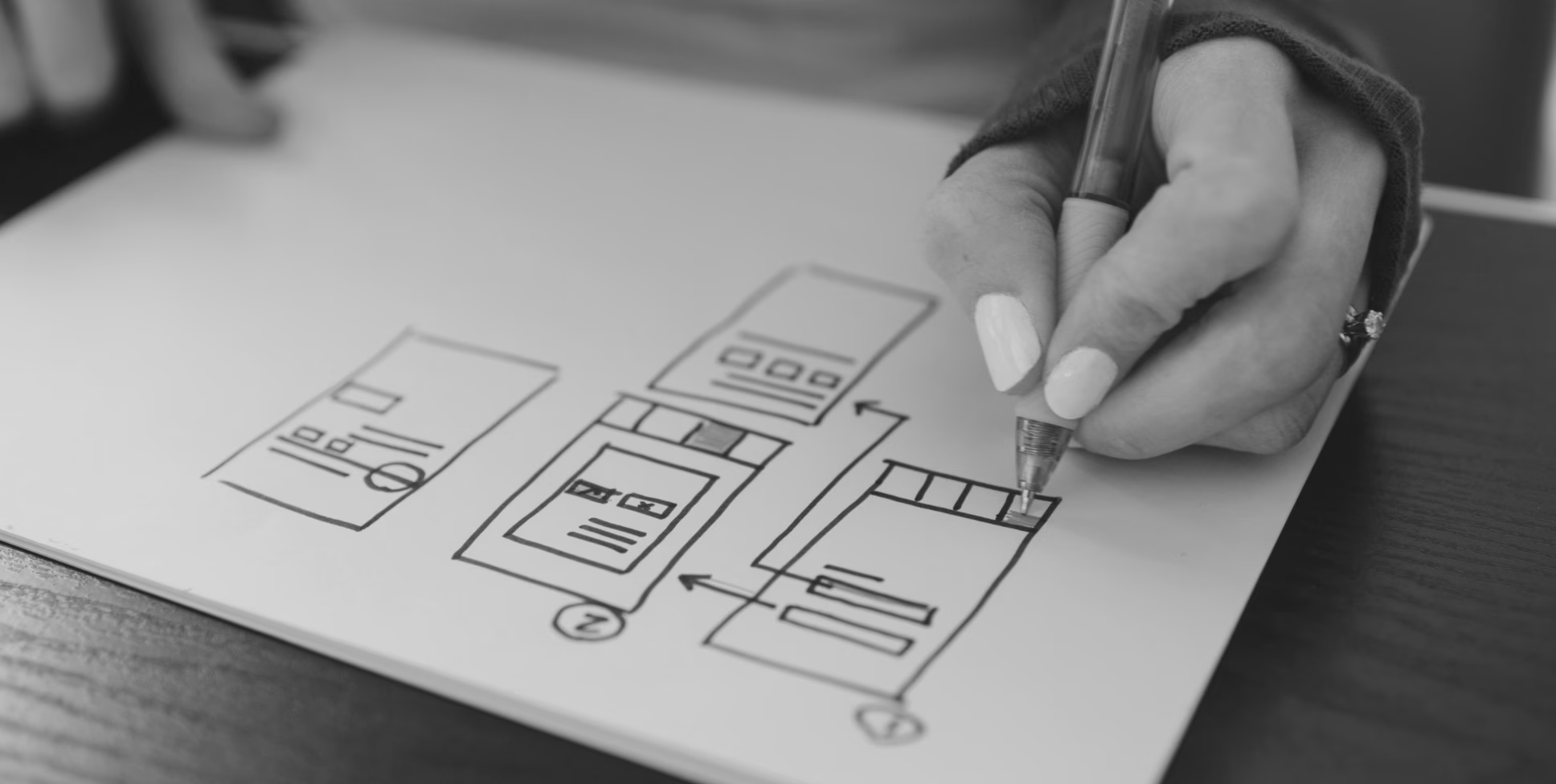
Every great digital product starts with an idea, but turning that idea into something tangible requires structure. Wireframes act as the blueprint, giving clarity to layout, hierarchy, and functionality before any colors or visuals are added. At this stage, it’s all about usability over aesthetics, ensuring that each screen solves the right problem.
From Blueprint to Visual Identity
Once the wireframes are validated, the design process evolves into creating high-fidelity mockups. Here, typography, colors, and visual elements come into play, transforming bare structures into engaging experiences. This step is where the personality of the product begins to shine through, aligning design with the brand’s voice.
Testing Through Prototypes
Prototyping then bridges the gap between static visuals and interactive experiences. By simulating user flows and interactions, stakeholders can feel how the product will behave in the real world. This not only reduces risks but also encourages early feedback and iteration.
Bringing the Vision to Life
The final product is more than just the sum of its parts — it’s the result of continuous collaboration, iteration, and refinement. From the first rough sketches to the live product, each step ensures the end result is both functional and delightful for users.



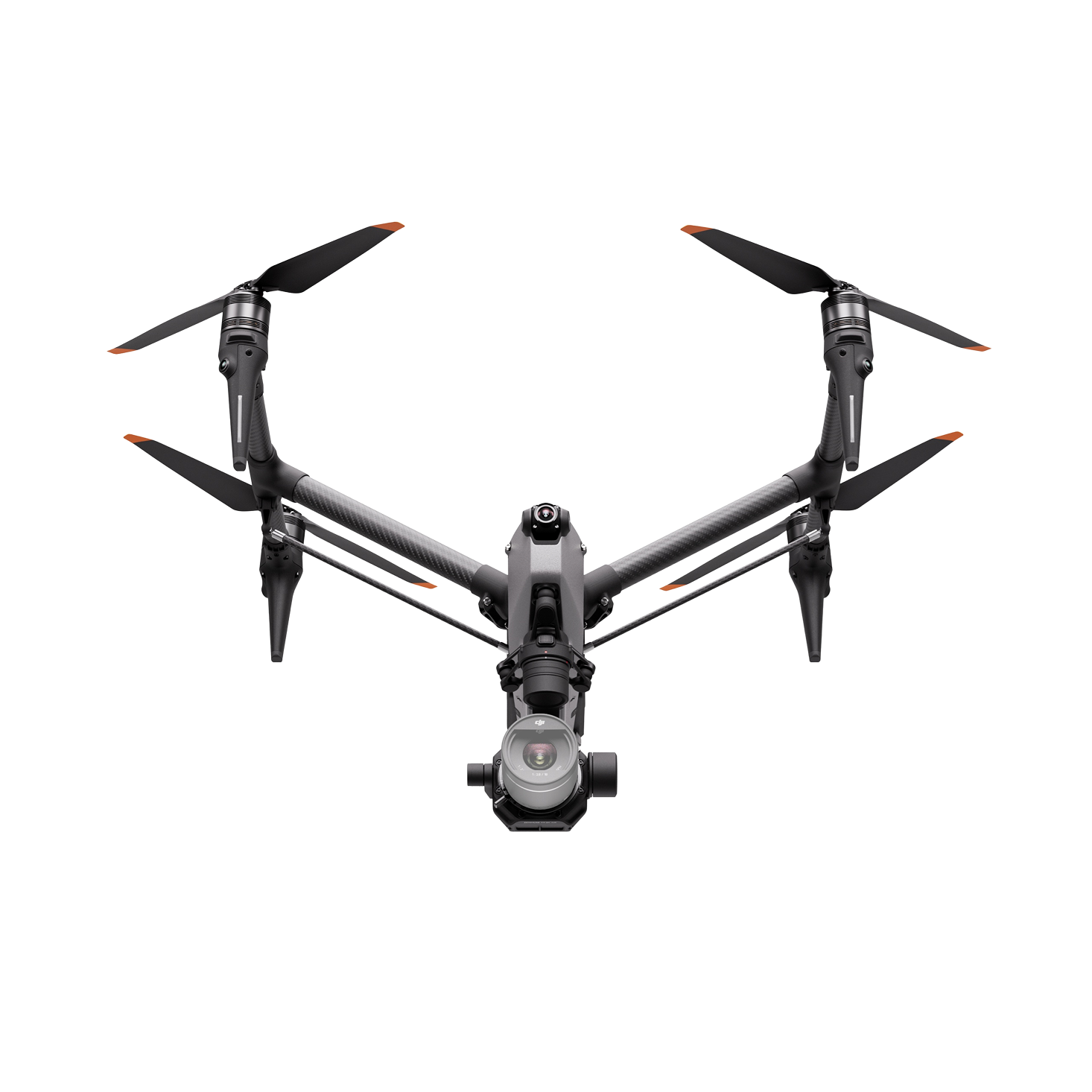
This section addresses key questions regarding our professional drone products, customization services, maintenance processes, and operational capabilities to help you better understand how we work and what we deliver.